
What site supervision actually gives you
A design without supervision tends to get built freely. What happens on site between the drawing and the finished interior — and how it is charged.
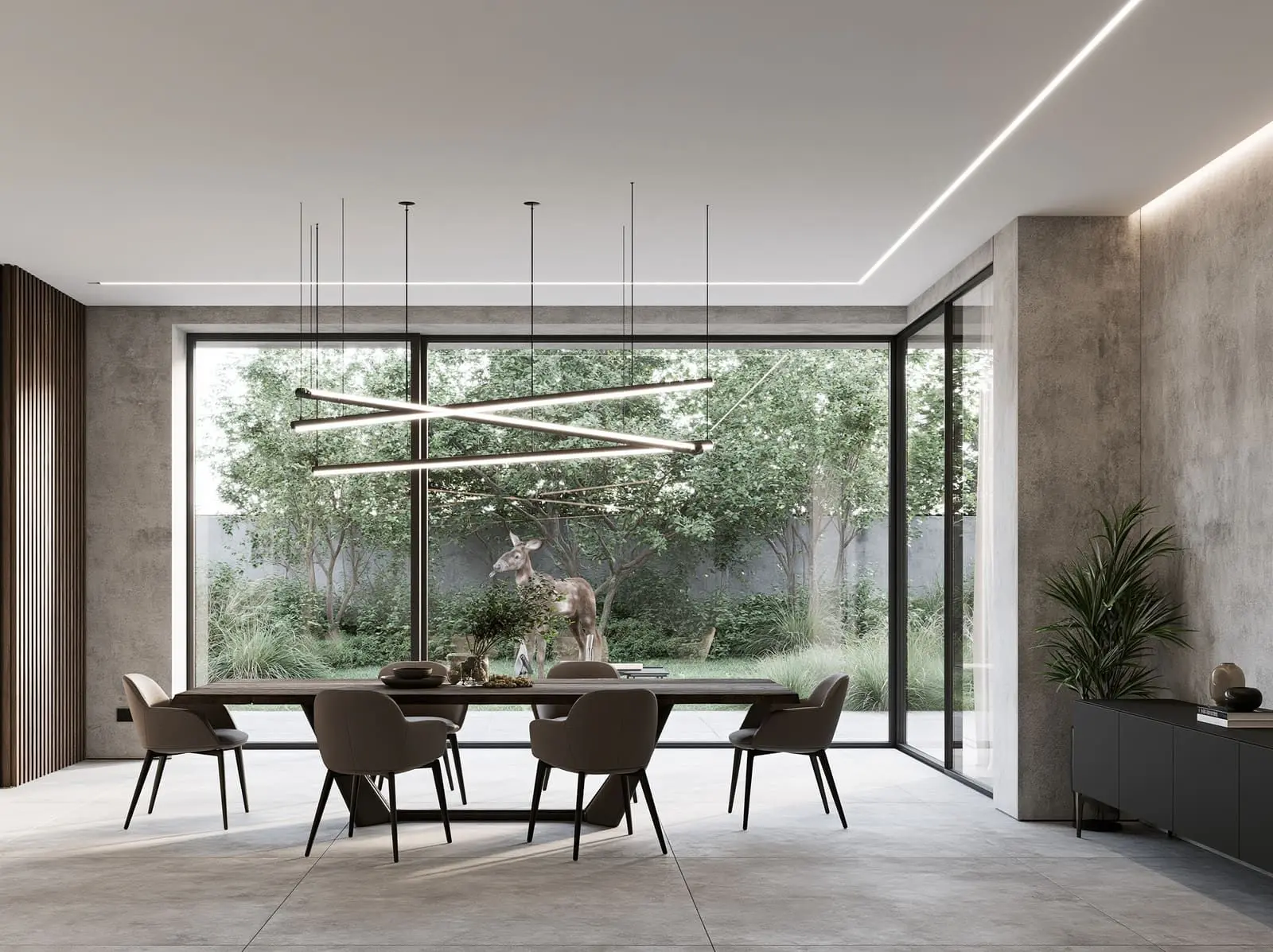
The most expensive mistakes are not made during design. They are made when somebody on site has to decide something alone, because there is nobody to ask.
A drawing cannot foresee everything
Even the most precise documentation meets reality. A wall turns out to be three centimetres out of true. Stone from the same batch arrives in a different shade from the sample. A supplier announces that the joinery you ordered will take another two months.
Each of those needs a decision within days. Without supervision the contractor makes it — and makes it in whatever way is most convenient, not in the way the design intended.
What happens during a visit
We are on site once a week. We check that what has been built matches the drawing. We approve materials before they are installed, not after. We settle questions on the spot rather than leaving them for an email next week.
A separate and underrated part of the work is keeping the sequence. Works are scheduled two months ahead and materials ordered six to twelve months in advance. With current delivery times that is the only way a build does not stall waiting for tiles.
Supervision is not policing the contractor
A good contractor treats supervision as help rather than as an inspection. They have someone to consult, they get an unambiguous answer, and they do not carry responsibility for decisions they should never have had to make.
Conflicts usually appear where there is no supervision — when it emerges afterwards that something was done differently, and an argument begins about who was right.
How we charge for it
A monthly retainer, regardless of how many visits a given month required. It is a fair arrangement for both sides: there is no incentive either to multiply visits or to avoid them.
One thing is worth asking before signing: what happens if the build runs six months late. Builds overrun more often than not, and it is better to know in advance how that affects the cost.
When you can do without it
On a small renovation with a trusted team that has already worked from your drawings, consultations by phone can be enough.
On a house, an interior over three hundred square metres, or a project with a great deal of bespoke work — it is not worth the risk. The number of decisions is large enough that sooner or later somebody will make one for you.